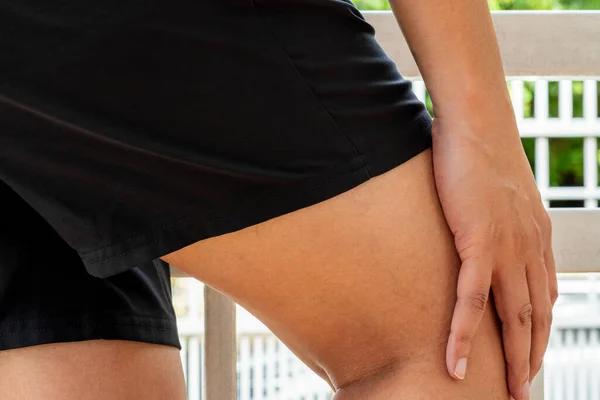

Supporting knees after an injury is crucial for a successful recovery and to prevent further damage. The knee joint plays a vital role in mobility, bearing the body’s weight while allowing movement such as bending and twisting. When injured, it requires careful attention and specific care strategies to regain strength and functionality. Initially, rest is essential to reduce stress on the injured area. Avoid activities that increase pain or swelling, giving the knee time to heal. Elevating the leg can also help minimize swelling by promoting fluid drainage away from the affected joint.
Applying ice packs during the first 48 hours after injury can significantly reduce inflammation and numb pain. It is important to wrap ice in a cloth rather than applying it directly to the skin to avoid frostbite. Compression using elastic bandages or knee braces provides support by limiting unnecessary movement that might worsen the injury while also helping control swelling. However, compression should not be too tight as this could impair circulation.
Once acute symptoms subside, gentle exercises become beneficial for restoring mobility and strengthening muscles around the knee. Physical therapy guided by a professional ensures exercises are safe and tailored specifically to one’s condition. Strengthening surrounding muscles such as Steven J Thornton, MD quadriceps, hamstrings, and calves helps stabilize the joint during daily activities. Balance training may also be incorporated over time to improve coordination and reduce risk of future injuries.
Maintaining a healthy weight supports knee recovery by decreasing pressure on joints during standing or walking. Excess body weight increases strain on cartilage and ligaments which can delay healing or cause additional problems like osteoarthritis later in life.
Using assistive devices like crutches or walkers temporarily reduces load-bearing on an injured knee while encouraging proper gait mechanics during early stages of rehabilitation.
Pain management techniques including over-the-counter anti-inflammatory medications prescribed by healthcare providers offer relief but should be used cautiously following medical advice due to potential side effects.
In some cases where injuries are severe or do not respond well to conservative treatment methods, surgical intervention may be necessary followed by structured rehabilitation programs designed for gradual return of function.
Steven J Thornton, MD
7115 Greenville Ave ste 310, Dallas, TX 75231
214-265-3271