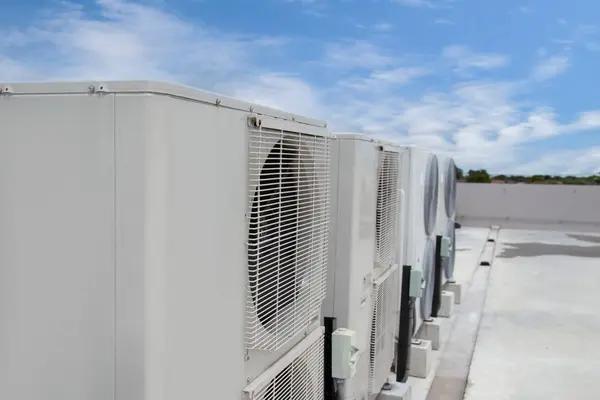

Professional HVAC installations play a crucial role in achieving optimal energy efficiency within residential and commercial buildings. Heating, ventilation, and air conditioning systems are essential for maintaining comfortable indoor environments, but their performance depends heavily on proper installation. When HVAC units are installed by experienced professionals, it ensures that the system operates at peak efficiency, reducing energy consumption and lowering utility bills. An improperly installed system can lead to numerous issues such as uneven temperature distribution, increased wear and tear on components, frequent breakdowns, and higher operational costs.
Energy-efficient HVAC systems rely not only on advanced technology but also on precise installation techniques that align with the specific requirements of a building. Professionals assess factors like building size, insulation quality, local climate conditions, and existing ductwork before selecting suitable equipment. This careful evaluation guarantees that the chosen system matches the heating and cooling demands without being oversized or undersized. Oversized units cycle on and off frequently, wasting energy and causing discomfort due to inconsistent temperatures. Conversely, undersized systems struggle to maintain desired comfort levels while running continuously at full capacity.
Proper installation includes correct placement of ducts to minimize leaks or blockages that compromise airflow efficiency. Sealing ductwork effectively prevents conditioned air from learn more escaping into unconditioned spaces like attics or basements. Additionally, professional installers ensure refrigerant lines are properly connected without leaks since improper handling can reduce cooling performance while increasing environmental harm due to refrigerant release. Attention is also given to electrical connections which must comply with safety codes while supporting efficient operation.
Another important aspect involves calibrating thermostats accurately so they respond correctly to temperature changes without unnecessary cycling of the HVAC unit. Modern programmable thermostats offer enhanced control over heating and cooling schedules; however their effectiveness depends largely on proper setup during installation.
Investing in professional HVAC services often results in longer equipment lifespan because systems maintained within manufacturer specifications experience less strain over time compared to those subjected to poor installations or repairs by unqualified individuals. Moreover, many manufacturers require certified professional installation for warranty validity which protects consumers against defects or premature failures.
In summary, professional HVAC installations significantly contribute toward maximizing energy efficiency through tailored system design choices combined with meticulous workmanship during setup processes. These efforts not only improve comfort levels indoors but also lower environmental impact by reducing wasted electricity or fuel consumption associated with inefficient heating and cooling practices. Choosing qualified technicians ensures reliable performance while safeguarding investments made in modern HVAC technologies designed for sustainability goals now prioritized across industries worldwide.