
Shipping freight to Canada can be a complex process, but managing costs effectively is essential for businesses aiming to maintain profitability and competitiveness. One of the primary ways to reduce expenses is by carefully planning the shipment in advance. Early scheduling allows companies to avoid last-minute surcharges and take advantage of lower rates offered by carriers during off-peak periods. Consolidating shipments whenever possible also helps minimize costs, as combining multiple smaller loads into one larger shipment reduces per-unit shipping fees and optimizes container space.
Another important factor in controlling freight costs is selecting the appropriate mode of transportation based on cargo type, urgency, and budget constraints. For example, while air freight forwarding to canada offers speed, it often comes with higher charges compared to sea or land transport options. Utilizing rail or truck services might provide more economical solutions for certain routes within North America without compromising delivery times significantly.
Proper packaging plays a significant role in cost reduction as well. Efficiently packing goods reduces dimensional weight charges imposed by carriers who calculate fees based on volume rather than actual weight alone. Using standardized pallet sizes that conform to carrier specifications ensures easier handling and prevents additional fees related to irregular dimensions or excessive weight distribution issues.
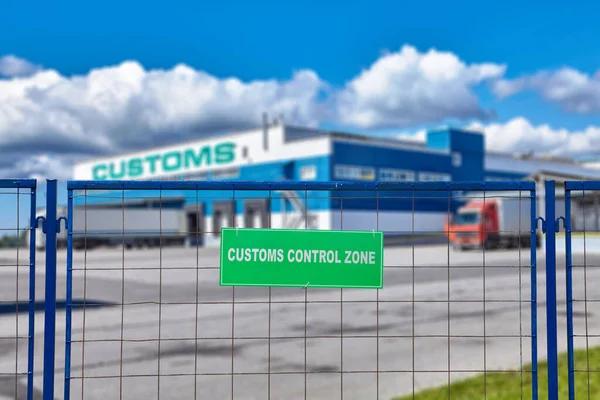
Understanding customs regulations thoroughly can prevent unexpected delays and penalties that increase overall shipping expenses. Working with experienced customs brokers familiar with Canadian import requirements streamlines clearance processes while avoiding costly errors such as misclassification of goods or incomplete documentation. Ensuring all paperwork is accurate before dispatch guarantees smoother transit through border inspections.
Negotiating contracts directly with freight carriers may also lead to better rates compared to relying solely on third-party logistics providers or intermediaries who add markup costs for their services. Establishing long-term relationships with reliable shippers often results in discounted pricing structures tailored specifically for regular customers.
Monitoring fuel surcharges closely helps manage fluctuating operational costs associated with transportation providers adjusting prices according to fuel market trends. Choosing routes less impacted by congestion or seasonal weather disruptions contributes further savings by reducing transit time and potential demurrage charges at ports.
Finally, investing in technology such as shipment tracking systems enables real-time visibility throughout the supply chain, allowing proactive decision-making when delays occur or alternative routing becomes necessary without incurring extra fees unnecessarily.
By integrating these strategies-advanced planning, consolidation, mode selection, efficient packaging, compliance expertise, direct negotiation with carriers, awareness of fuel-related adjustments, route optimization, and technological tools-businesses can significantly reduce their freight shipping expenses when sending goods across the Canadian border while maintaining service quality and reliability essential for customer satisfaction.